



Table of Contents
In the world of power engineering, material selection has never been merely a commercial decision. It is an engineering philosophy shaped by performance, reliability, safety, durability, manufacturability, and the responsibility to build systems that can serve generations reliably.
Every material possesses its own strengths, limitations, and ideal application environment. The wisdom of engineering lies not in selecting the cheapest material, but in selecting the most suitable material for the duty it is expected to perform over decades of operation. This philosophy has guided the power industry for generations and continues to define the design of critical electrical equipment today.
The Engineering Wisdom Behind Material Selection
Modern electrical systems depend fundamentally on a few key conductive materials:
- Steel
- Aluminium
- Copper
- Silver
Each occupies a carefully defined place in electrical engineering. Steel provides structural integrity. Aluminium offers lightweight and economical conductivity. Copper delivers superior electrical and thermal performance. Silver, despite its high cost, is reserved for extremely critical electrical contact applications where no compromise in operational reliability is acceptable.
This selective use of materials itself teaches one of the most important lessons in engineering: The true value of a material is determined not by its price per kilogram, but by its suitability for the severity, continuity, and criticality of the application.
The Silver Analogy: A Powerful Engineering Lesson
In heavy-duty contactors, circuit breakers, motor starters, and switching devices, electrical contacts are subjected to extremely demanding conditions:
- Repetitive making and breaking of current
- High inrush currents
- Arc formation
- Surface erosion
- Elevated thermal stress
- Oxidation exposure
- Mechanical fatigue
Despite its cost, silver continues to be widely used in such applications because reliability under severe electrical duty becomes more important than material economy alone.
Copper, although an excellent conductor, cannot independently withstand repeated arc stress in the same manner. Aluminium is entirely unsuitable for such high-duty contact applications. The industry therefore, accepts the use of silver because the application demands it. This is not an emotional decision. It is not a branding decision. It is a pure engineering decision based on long-term performance, reliability, safety, and operational continuity. The same engineering philosophy extends naturally into transformer design.
The Copper vs Aluminium Discussion Must Be Viewed Correctly
The discussion between copper and aluminium should never be reduced to a simplistic argument of “right” versus “wrong.” Both materials are capable conductors. Both have legitimate applications within the electrical industry. However, the engineering question is deeper:
Which material is better suited for long-term performance under the intended operating conditions?
This distinction is critical. There are applications where aluminium performs adequately and economically. There are also applications where the operational demands justify the superior characteristics of copper. The responsibility of engineering is to understand the difference.
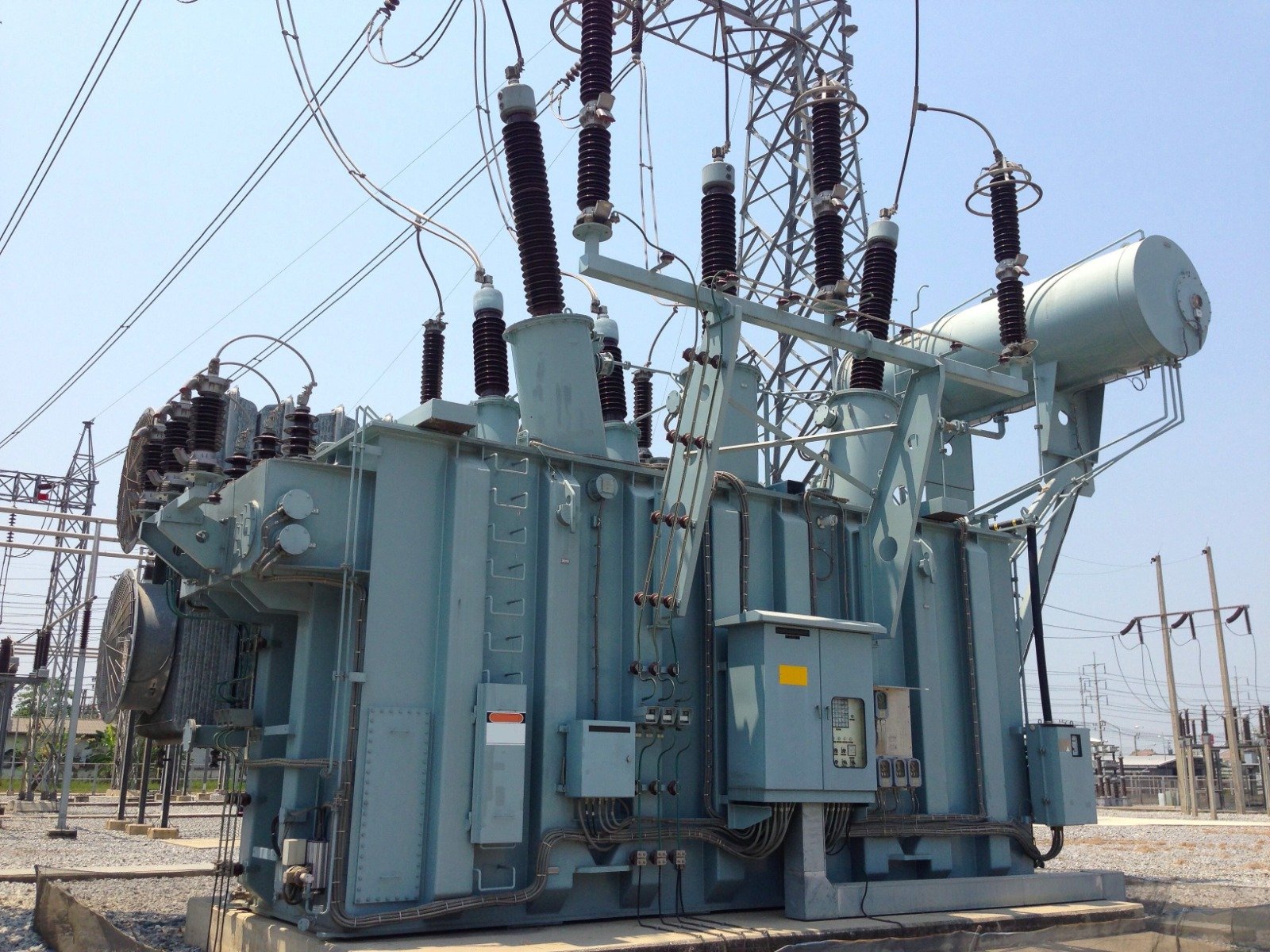
Transformers Are Long-Life Infrastructure Assets
Transformers are not temporary consumables.
They are infrastructure assets expected to operate reliably for:
- 25 years
- 35 years
- sometimes even 50 years or more During this lifespan, transformers endure:
- Daily load cycles
- Thermal expansion and contraction
- Fault stresses
- Harmonics
- Environmental exposure
- System disturbances
- Short-circuit forces
- Overloading events
- Renewable energy fluctuations
Therefore, transformer material selection must consider not only initial procurement cost but:
- Lifetime energy efficiency
- Thermal ageing
- Maintenance stability
- Reliability
- Downtime risk
- Failure resilience
- Operational continuity
This is where Total Cost of Ownership becomes significantly more important than first cost alone.
The Electrical Advantage of Copper
Copper possesses substantially higher electrical conductivity compared to aluminium. This results in:
- Lower winding resistance
- Reduced I²R losses
- Lower operating temperatures
- Improved energy efficiency
- Reduced hotspot development
In practical operation, lower losses translate into:
- Reduced energy wastage
- Lower operating expenses
- Better voltage regulation
- Improved system stability
Over decades of operation, these savings become extremely significant.
The transformer may be purchased once, but losses are paid for every hour of every day throughout its operational life.
Thermal Performance: The Heart of Transformer Reliability
In transformers, temperature governs ageing.
The life expectancy of insulation systems is directly linked to operating temperature. Even small reductions in hotspot temperatures can significantly extend transformer life.
Copper contributes positively to thermal management because of:
- Higher conductivity
- Better heat dissipation
- Lower resistive heating
- Improved thermal endurance This becomes especially important in:
- Distribution transformers
- Industrial duty transformers
- Renewable energy applications
- Solar duty transformers
- Harmonic-rich networks
In modern solar applications, transformers rarely experience stable loading conditions. Instead, they are exposed to:
- Continuous fluctuations
- Rapid load variations
- Inverter-induced harmonics
- Thermal cycling
- Peak generation swings
Such duty conditions place repeated thermal stress on transformer windings and insulation systems.
Copper’s superior thermal behavior provides a stronger long-term reliability foundation under these demanding conditions.
Mechanical Strength During Fault Conditions
Electrical faults produce extremely high electromagnetic forces within transformer windings.
These forces attempt to:
- Compress windings
- Displace conductors
- Distort winding geometry
- Damage insulation structures
Copper provides higher mechanical strength and rigidity, enabling:
- Better short-circuit withstand capability
- Improved structural stability
- Greater resistance to mechanical deformation This is particularly valuable in:
- Industrial networks
- High fault-level systems
- Renewable integration networks
- Critical infrastructure installations
A transformer’s true engineering quality is often tested not during normal operation, but during abnormal system events.
Joint Reliability and Manufacturing Integrity
An electrical system is only as reliable as its weakest joint.
Transformer manufacturing involves numerous critical joining processes including:
- Brazing
- Soldering
- Mechanical terminations
- Welded interfaces
- Connector joints
Not all conductive materials behave equally during these processes. Copper offers:
- Excellent brazing compatibility
- Stable long-term contact behavior
- Lower creep tendency
- Better metallurgical reliability
- Improved joint integrity over time
Aluminium, while useful in many applications, requires significantly more care in joint management because:
- Oxide layers form rapidly
- Specialized joining techniques are necessary
- Improper terminations can lead to elevated resistance and heating
These are not merely manufacturing details.
They directly influence field reliability, maintenance requirements, and operational longevity.
Compactness and Design Efficiency
Because copper carries higher current density within smaller cross-sectional areas, it allows:
- More compact transformer designs
- Better space utilization
- Higher power density
- Reduced conductor volume This becomes highly advantageous in:
- Compact substations
- Urban installations
- Solar skids
- Containerized power systems
- Space-constrained electrical rooms
As modern infrastructure moves toward compact and modular designs, these engineering benefits become increasingly valuable.
Reliability Is an Intergenerational Responsibility
One of the most overlooked aspects of engineering today is the responsibility toward future generations.
Infrastructure built today will serve:
- future industries
- future cities
- future homes
- future grids
- future renewable systems
A transformer is not merely a product.
It is part of a long-term energy ecosystem. Engineering decisions therefore must consider:
- durability
- resilience
- sustainability
- maintainability
- operational continuity
The lowest initial cost does not always create the strongest infrastructure for the future. True engineering maturity lies in balancing:
- economics
- performance
- reliability
- longevity
- lifecycle sustainability
Total Cost of Ownership: The More Complete Engineering View
Initial procurement price is visible immediately.
Operational cost is often invisible — but far larger over time. Total Cost of Ownership includes:
- Energy losses
- Downtime risk
- Maintenance requirements
- Reliability impact
- Thermal ageing
- Failure probability
- Service interruptions
- Repair costs
- Operational efficiency
A lower first-cost transformer may not necessarily remain the lower-cost solution over 30 years of service. This is why experienced utilities, industrial operators, and infrastructure planners increasingly evaluate lifecycle performance rather than procurement price alone.
The Correct Engineering Conclusion
The purpose of this discussion is not to reject aluminium. Aluminium remains an important engineering material and serves many applications successfully.However, engineering excellence demands that material selection be aligned with:
- application severity
- operational expectations
- reliability requirements
- thermal conditions
- lifecycle objectives
Just as silver continues to be chosen for severe-duty electrical contacts despite its higher cost, copper too continues to hold critical value in transformer engineering where efficiency, reliability, thermal endurance, and long-term operational confidence are priorities. A reliable transformer contributes to uninterrupted service, predictable operating expenditure, reduced maintenance intervention, improved asset utilization and lower failure probability. These outcomes ultimately support the financial health of utilities and network operators.
Conversely, reliability deficiencies frequently manifest as increased losses, forced outages, maintenance expenditure, premature replacement costs and service disruptions, all of which carry direct economic consequences. Reliability therefore cannot be viewed solely as a technical metric. Once viewed merely as a technical benchmark, reliability is now a financial, operational and reputational cornerstone for India’s power sector. This reality becomes even more significant when viewed through the lens of public infrastructure.
The future of power infrastructure should not be guided only by immediate savings, but by engineering decisions capable of delivering dependable performance for generations to come.
Because in power systems, the true strength of a product is not measured on the day it is installed — it is measured decades later by how reliably it continues to serve.
By- AuthorEr. Yogesh Sood, Energy & Transformer Professional with 3 decades of experience
