


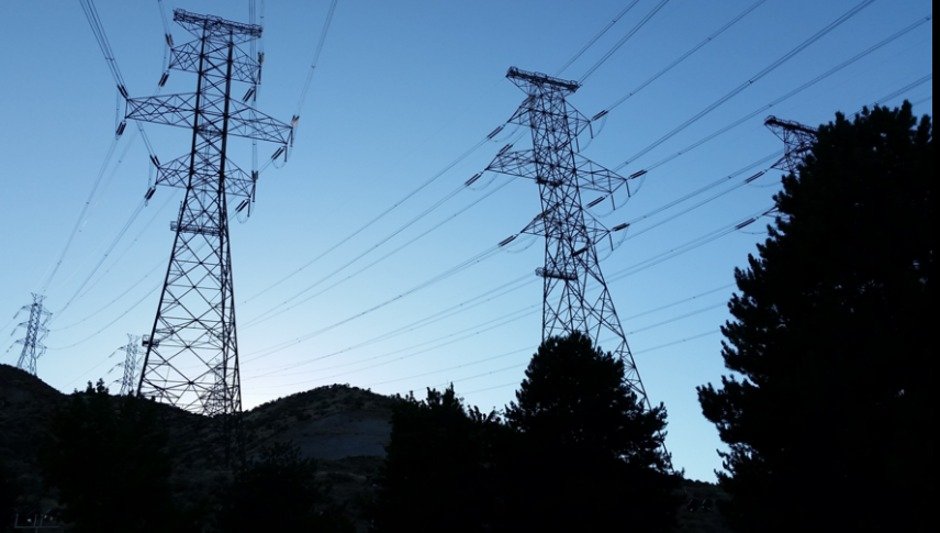
The timely expansion of transmission infrastructure has become increasingly important for India’s renewable energy sector, as the addition of large-scale solar and wind capacity is creating greater requirements for electricity evacuation.
Industry discussions at Transtech India 2026 highlighted the need to develop transmission networks alongside new renewable energy generation projects to ensure that available electricity can be efficiently supplied to consumers.
India’s renewable energy development is increasingly concentrated in states with significant solar and wind potential.
However, many of these projects are located away from major electricity consumption centres.
Dedicated transmission corridors and high-capacity substations are therefore required to transport electricity from generation locations to industrial, commercial and residential demand centres.
Delays in developing transmission infrastructure can affect the commissioning and commercial operation of renewable energy projects.
Even when solar and wind installations are ready to generate electricity, the absence of adequate evacuation facilities can restrict their ability to supply power to the grid. This can lead to delays in project operations and, in some cases, curtailment of available renewable generation.
The development of transmission networks also involves several practical challenges. Land acquisition, right-of-way clearances, regulatory approvals, equipment availability and coordination between different project stakeholders can influence implementation timelines.
Ensuring the timely availability of transformers, transmission towers, conductors and other electrical equipment is equally important for completing projects within their planned schedules.
Industry participants have emphasised the importance of synchronising renewable energy project timelines with the development of associated transmission facilities.
Better coordination between generation companies, transmission utilities and government agencies can help reduce infrastructure bottlenecks and improve the utilisation of installed renewable energy capacity.
