


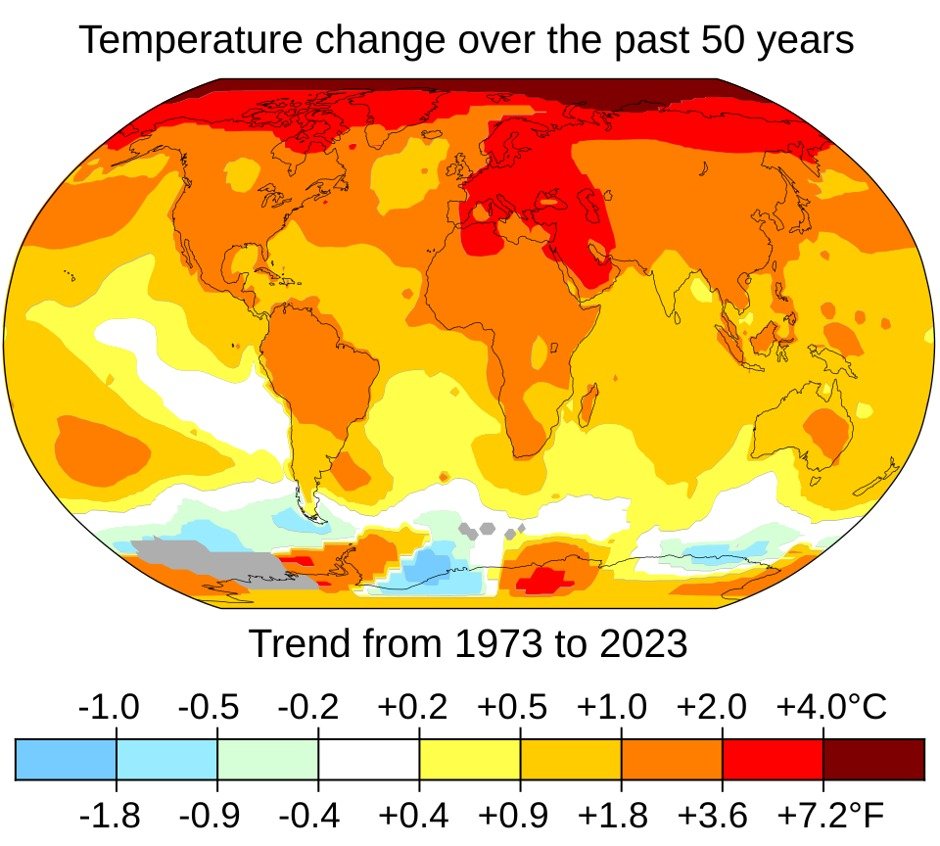
India’s electricity sector is increasingly focusing on strengthening infrastructure against extreme weather events, as climate-related disruptions pose risks to power generation, transmission and distribution networks.
A recent analysis highlights the need for power companies to incorporate climate resilience into infrastructure planning, construction and operations.
Electricity infrastructure is exposed to several weather-related risks, including floods, cyclones, heatwaves, heavy rainfall and strong winds.
Such events can damage transmission towers, substations, distribution lines and generation facilities, potentially disrupting electricity supply and increasing repair and maintenance costs for utilities.
The vulnerability of power infrastructure becomes particularly important as India continues to expand its electricity network to meet rising demand and support the transition towards renewable energy.
Many renewable energy projects are located in regions exposed to extreme weather conditions, making the selection of suitable locations and the design of supporting infrastructure important considerations for developers.
The analysis highlights the importance of conducting climate-risk assessments before developing new electricity projects.
Power companies need to consider local weather conditions while planning transmission corridors, selecting equipment and designing substations. Infrastructure designed to withstand strong winds, flooding and extreme temperatures can help reduce the possibility of equipment failure and prolonged power interruptions.
Improving monitoring and maintenance systems is another important requirement. Digital monitoring technologies, weather forecasting systems and early-warning mechanisms can help utilities identify potential risks and take preventive action.
Regular inspection of transmission towers, electrical installations and distribution networks can also help identify weaknesses before extreme weather conditions cause major damage.
For distribution companies, climate resilience has a direct impact on consumers because damage to local electricity networks can affect households, commercial establishments and industrial units.
Strengthening distribution infrastructure and improving emergency-response arrangements can help reduce restoration time following weather-related disruptions.
