


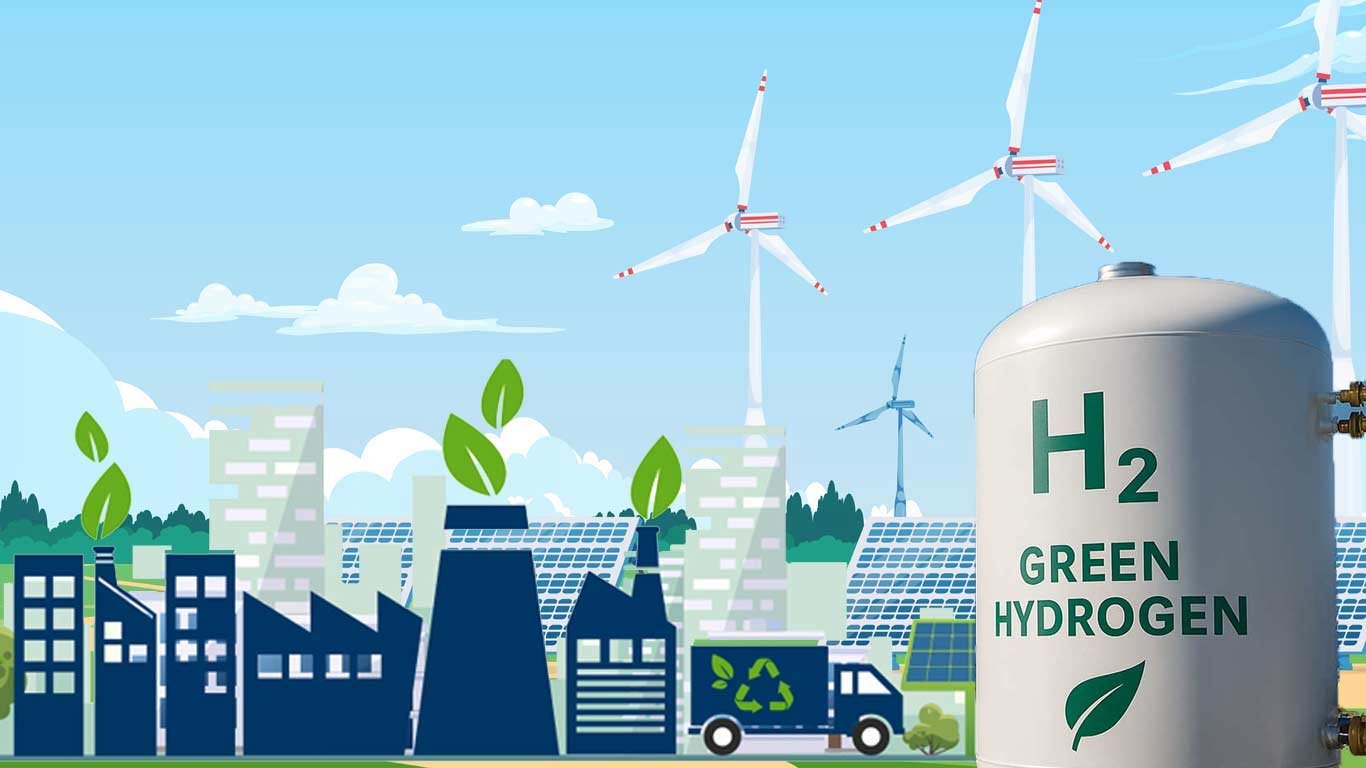
India’s leading energy public sector undertakings (PSUs) have signed a series of strategic agreements aimed at advancing the nation’s transition towards a resilient, cleaner and more diversified energy future. These pacts, concluded on the sidelines of India Energy Week 2026 in Goa, span natural gas security, liquefied natural gas (LNG) mobility, green hydrogen technologies and advanced biofuels, underscoring a coordinated push across multiple energy vectors.
A central focus of the new partnerships is the expansion and strengthening of the natural gas and LNG ecosystem. IndianOil entered into a memorandum of understanding with global energy major ENGIE to establish a structured framework for collaboration across the LNG value chain, with a particular emphasis on developing LNG trade and infrastructure in Asia-Pacific markets. Coordination among Oil India Limited (OIL), Numaligarh Refinery Limited (NRL) and Total Energies has also been formalised through a tripartite agreement designed to pool market intelligence and jointly explore LNG sourcing and regasification opportunities to ensure stable energy supplies for India’s industrial demand centres.
On the frontier of clean energy technologies, Hindustan Petroleum Corporation Limited (HPCL) and Thermax Limited have partnered to accelerate commercialisation of cutting-edge solutions, including Anion Exchange Membrane (AEM) electrolysers for green hydrogen, advanced carbon capture systems, and bio-pyrolysis oil processing methods. These technologies are expected to play a significant role in reducing carbon intensity and supporting scalable clean energy deployment.
Energy diversification efforts also extend to decarbonising mobility. Bharat Petroleum Corporation Limited (BPCL) signed landmark memoranda with major global and domestic logistics firms to explore converting heavy-duty transport fleets from diesel to LNG, backed by development of strategic LNG refuelling infrastructure. Complementing this initiative, BPCL announced a partnership with Praj Industries to establish a commercial demonstration plant at its Bargarh refinery in Odisha focused on producing advanced renewable fuels, including Bio-IBA, which can be blended into existing diesel infrastructure without engine modifications.
Collectively, these agreements highlight a comprehensive roadmap that blends immediate energy security through gas and LNG initiatives with long-term strategies in green hydrogen, biofuels and sustainable technologies. The coordinated efforts by India’s PSUs are central to reducing carbon emissions, strengthening domestic clean energy capabilities, and enhancing the nation’s role in the global energy transition
