



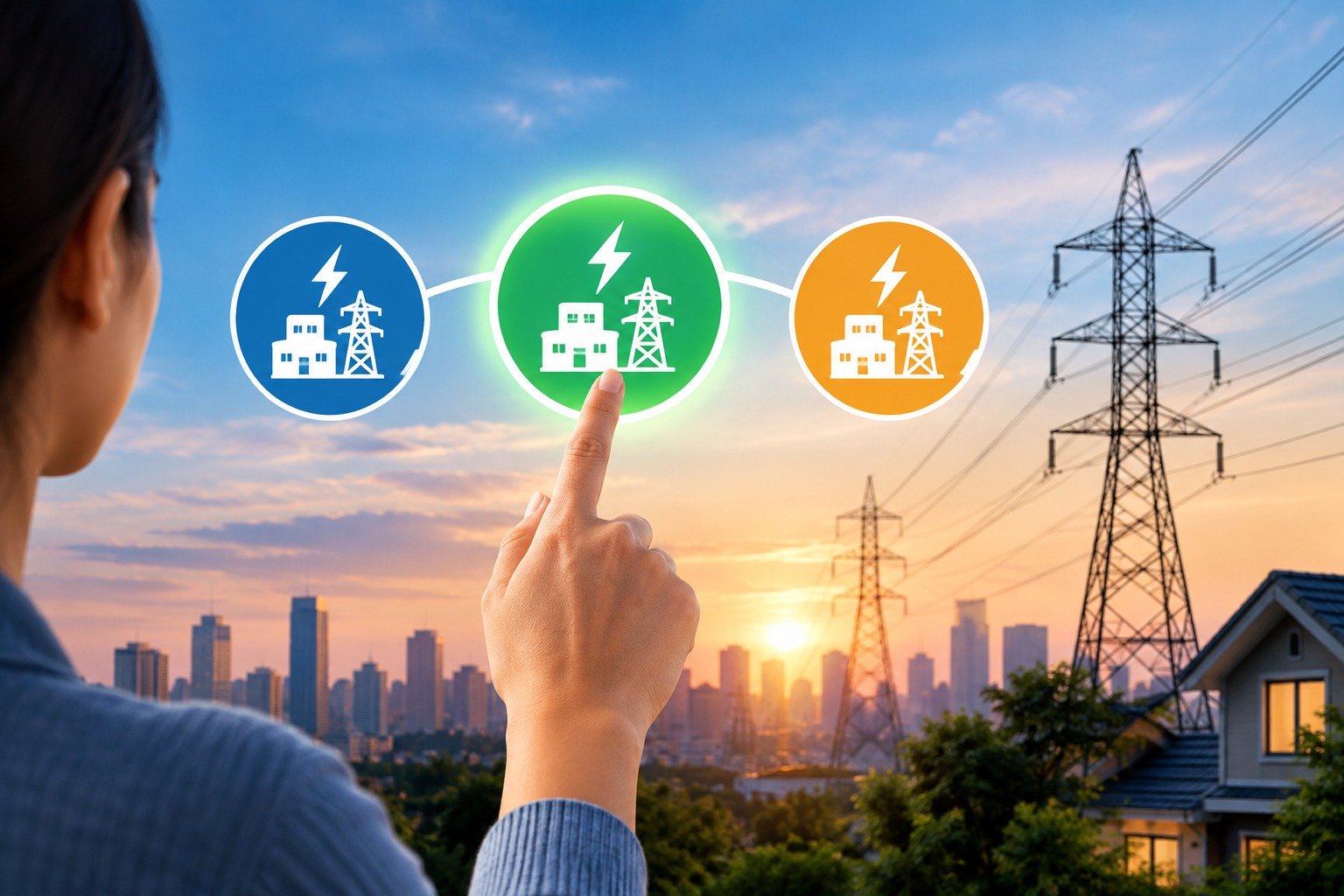
Parallel electricity distribution licensing could introduce a new form of consumer choice in India’s power sector, allowing customers to select their electricity supplier instead of depending on a single distribution company (discom).
Similar to mobile number portability, the concept aims to promote competition, strengthen accountability, improve service reliability and enhance the consumer experience in electricity distribution.
Mumbai is currently the only city in India where parallel distribution licensing has been operating for years within the same geographical area, with companies such as Tata Power and Adani Electricity Mumbai Limited (AEML). In Haryana, Nuh and Gurugram are among the areas where the Haryana Electricity Regulatory Commission (HERC) has been considering the concept of parallel licensing.
Section 14 of the Electricity Act, 2003, permits multiple distribution licensees to operate in the same area. However, the proposed framework would require new licensees to access existing distribution infrastructure without unnecessarily duplicating assets.
A shared-network framework could address this challenge by allowing new licensees to use existing infrastructure in exchange for regulated wheeling charges. This approach could reduce investment requirements and avoid duplication of distribution assets.
Parallel licensing is not intended to weaken existing discoms but to make electricity distribution more consumer-centric. With appropriate safety measures, the concept could enable consumers to move beyond being passive recipients of electricity services and become active participants with the freedom to choose their suppliers.
