


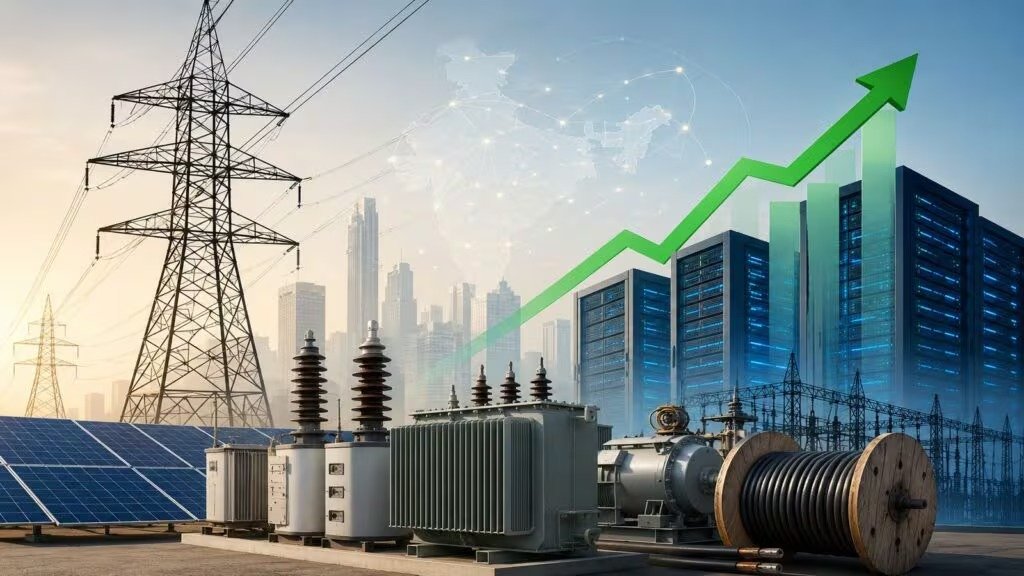
The global power sector is entering a period of rapid expansion, with electricity generation expected to increase substantially over the next decade as artificial intelligence (AI), electric mobility and rising demand for air conditioning reshape energy consumption patterns.
Fatih Birol, Executive Director of the International Energy Agency (IEA), has said the world is moving into an era increasingly dominated by electricity, with the next decade expected to witness more than twice the additional generation capacity recorded over the previous 10 years.
Speaking on the sidelines of the COP31 climate summit in Antalya, Turkey, Birol said the world added around 5,000 GW of electricity generation capacity over the past decade.
The IEA expects another 12,000 GW to be added over the next 10 years, even under its conservative assessment.
The expansion is being driven by three major developments.
The first is the rapid growth of AI and data centres, which require substantial and continuous electricity supplies.
The second is the electrification of transportation, particularly the increasing adoption of electric cars and commercial vehicles.
The third, and potentially the largest contributor in terms of electricity consumption, is the growing use of air conditioning as temperatures rise and more households gain access to cooling equipment.
Electric mobility is already showing strong momentum. According to the IEA figures cited by Birol, electric vehicle sales outside China increased by 60 per cent over the first nine months of 2026.
Globally, electric vehicles are expected to account for around one-third of new car sales this year, compared with just 5 per cent five years ago.
The growing requirement for electricity is also bringing greater attention to the reliability and affordability of power infrastructure.
Birol pointed out that global electricity demand is increasing three times faster than overall energy demand, making the expansion of generation and grid infrastructure increasingly important.
The IEA chief also highlighted the role of renewable energy in improving energy security.
Countries dependent on imported fossil fuels remain exposed to international price fluctuations and supply disruptions. Expanding domestic renewable electricity generation could reduce this dependence while supporting more stable energy prices.
At COP31, governments are considering a proposed target to increase electricity’s share in global final energy consumption to 35 per cent by 2035.
The proposal is intended to encourage faster electrification across transport, industry and other energy-consuming sectors.
The development will require substantial investment in power generation, transmission and distribution networks, along with technologies capable of balancing fluctuating renewable energy supplies.
