


The Kerala government has unveiled a major strategic infrastructure initiative aimed at turning the state into a critical minerals and permanent magnet manufacturing hub, with plans to attract around ₹42,000 crore in investment through the creation of a rare earth corridor connecting key coastal and industrial regions.
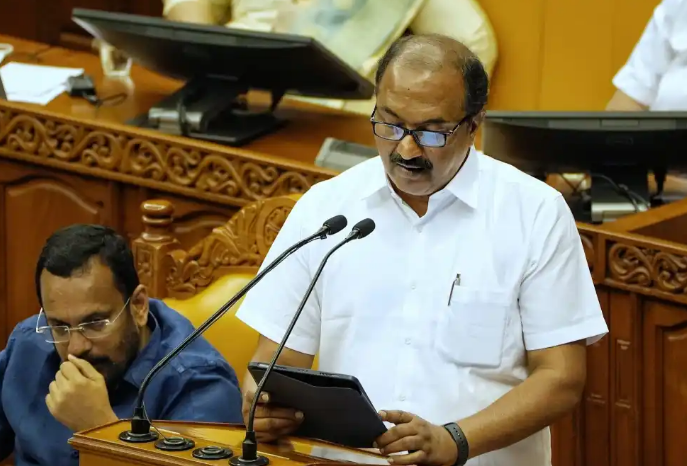
State Finance Minister K N Balagopal announced the proposal while presenting the Kerala Budget 2026-27, outlining the corridor’s development plan that will link Vizhinjam port on the south coast with Chavara and onward to Kochi. As part of this approach, a dedicated centre will be established near Kerala Minerals and Metals Ltd (KMML) at Chavara to support the emerging ecosystem.
The rare earth corridor initiative is expected to generate approximately 50,000 direct and indirect jobs and draw significant private and public investment into advanced manufacturing, processing and supply-chain activities related to critical minerals, especially those used in clean energy technologies, electric vehicles and defence applications.
As part of the plan, around ₹100 crore has been allocated to establish a Rare Earth Critical Minerals Mission in partnership with state-owned and public sector entities such as KMML, KELTRON and the Non-Ferrous Materials Technology Development Centre (NFTDC). This mission aims to build institutional capacity for research, technology development and commercialisation of rare earth processing and value-added manufacturing.
The proposed corridor leverages Kerala’s abundant monazite and other rare earth bearing mineral resources along its coastal belt, with a focus on stepping up domestic processing capabilities instead of exporting raw materials. The Vizhinjam–Chavara–Kochi link will also take advantage of existing and planned port and logistics infrastructure to reduce transport costs and enhance connectivity to international markets.
Officials indicate that the rare earth corridor will complement ongoing efforts to boost the state’s industrial base, including investments in technology, defence, aerospace, and clean energy sectors, by securing steady supplies of critical inputs and creating value-added production clusters.
The initiative aligns with India’s broader push to develop domestic critical minerals supply chains and strengthen its position in magnet and advanced materials manufacturing, a sector critical to meeting global demand for renewable energy and electric mobility solutions.
