


In 2025, India marked a historic milestone in its clean energy journey by recording the highest annual addition of renewable energy capacity in the country’s history. The nation also surpassed the 50% mark of total installed electricity capacity from non‑fossil sources, reaching this important sustainability goal well ahead of schedule.
Guided by the vision of building 500 GW of non‑fossil energy capacity by 2030, India achieved 50 per cent of its total installed power capacity from non‑fossil sources by June 2025, five years earlier than initially planned.
By August 2025, the country had crossed the 250 GW milestone in non‑fossil installed capacity, and by November 2025, total non‑fossil power capacity including renewables, hydro, and nuclear stood at 262.74 GW, representing 51.5 per cent of the nation’s overall installed electricity capacity of 509.64 GW.
The year saw an unprecedented addition of 44.51 GW of renewable energy capacity, nearly doubling the 24.72 GW added during the same period in 2024. This brought India’s total renewable installed capacity to 253.96 GW by November, a growth of over 23 per cent year-on-year.
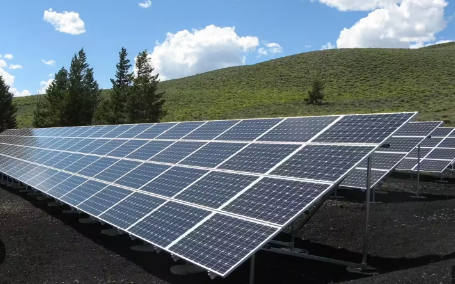
Solar power led the expansion, with 34.98 GW of new capacity in 2025 compared to 20.85 GW the previous year. India also crossed the 100 GW solar capacity mark in January 2025, and by November, total solar capacity reached 132.85 GW, reflecting an increase of over 41 per cent year-on-year. Wind energy additions were also strong, with 5.82 GW installed in 2025, up from 3.20 GW the previous year, bringing total wind capacity to 53.99 GW.
On 29 July 2025, India achieved a historic record, with renewables supplying 51.5 per cent of total electricity demand, marking the highest share of renewable energy in the country’s power generation history.
India’s rapid expansion in clean energy has strengthened its global position, ranking third in solar capacity, fourth in wind capacity, and fourth overall in renewable energy capacity.
