


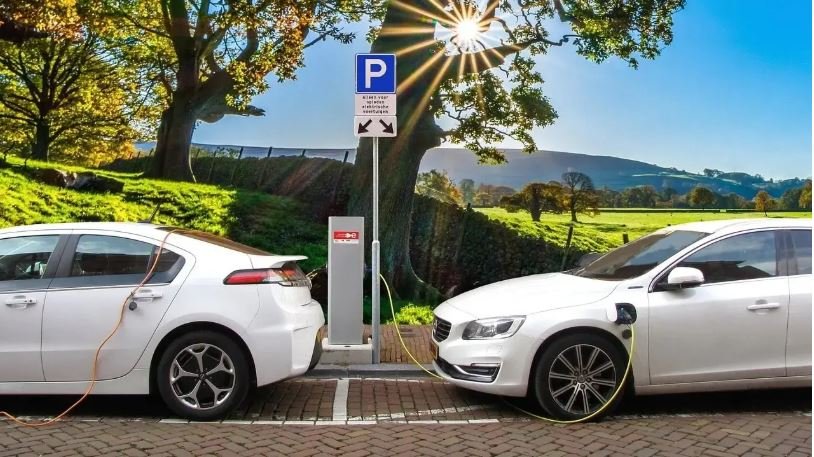
The Delhi government has agreed in principle to allow privately owned electric vehicles (EVs) to operate as shared taxis, marking a significant shift in the capital’s urban mobility and clean transport strategy. The move is aimed at accelerating EV adoption, reducing vehicular congestion, and cutting tailpipe emissions in one of the world’s most polluted cities.
The decision was taken during a high-level consultation between the Delhi government, automobile manufacturers, and cab aggregation platforms. The discussions focused on expanding shared mobility using electric vehicles while creating new income opportunities for private EV owners.
At present, privately registered vehicles are not permitted to operate as taxis under existing motor vehicle and transport regulations. To enable the proposed model, the government will need to amend rules governing vehicle permits, registration categories, and aggregator operations. Officials indicated that a structured regulatory framework would be developed to ensure safety, compliance, and accountability while onboarding private EVs onto shared mobility platforms.
The government has clarified that the approval is in-principle, and operational rollout will depend on the finalisation of policy guidelines, licensing norms, and enforcement mechanisms.
Cab aggregators participating in the discussions expressed readiness to launch shared EV taxi services, including ride-sharing options, once regulatory clarity is achieved. These services are expected to prioritise electric vehicles and could include special categories such as women-driven taxis to enhance safety and inclusivity.
Aggregators also conveyed their willingness to integrate a wider range of electric mobility options into their platforms, potentially including e-rickshaws and electric shuttles on high-demand corridors such as Ring Road and airport routes.
To support the expansion of electric shared mobility, the Delhi government reiterated its commitment to strengthening EV charging infrastructure across the city. This includes facilitating land availability for charging stations and promoting renewable energy-linked charging solutions, including solar-based systems, where feasible.
Officials emphasised that infrastructure readiness would be a key factor in ensuring the success of privately owned EVs operating as shared taxis, particularly in terms of vehicle uptime and commuter convenience.
Allowing private EVs to function as shared taxis is expected to increase vehicle utilisation, reduce the total number of cars on the road, and lower per-capita emissions. The policy could also help bridge gaps in last-mile connectivity while making electric mobility more accessible to daily commuters.
If implemented effectively, the initiative could position Delhi as a first mover among Indian cities in blending private EV ownership with shared, app-based transport models, setting a precedent for other urban centres grappling with pollution and congestion.
