


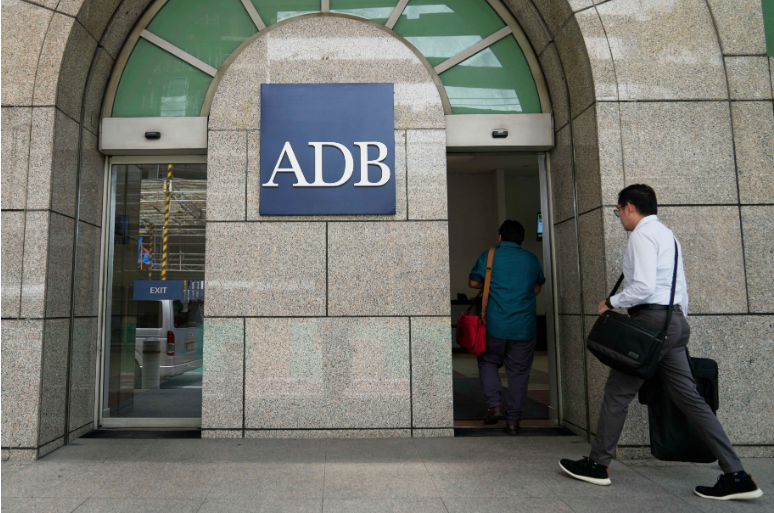
The Asian Development Bank (ADB) has approved a USD 100 million policy-based loan to help Sri Lanka advance structural reforms in its power sector, reinforcing the island nation’s efforts to build a stable, efficient and financially sustainable electricity system. 
The financing forms part of the second subprogram under the Power Sector Reforms and Financial Sustainability Program, which builds on earlier ADB lending of around USD 400 million to Sri Lanka since the country’s economic crisis in 2022. 
A key focus of the programme is the phased unbundling of the Ceylon Electricity Board (CEB) — Sri Lanka’s state-owned power utility — into separate companies responsible for generation, transmission, system operation and distribution. This restructuring aligns with the Electricity Act of 2024 and its subsequent amendment in 2025, and is expected to improve operational efficiency and governance across the sector. 
ADB officials say the loan will support financial resilience and service delivery improvements while advancing broader reforms such as tariff rationalization, debt restructuring, and competitive renewable energy procurement. By strengthening governance and encouraging private sector participation, the programme aims to accelerate renewable energy deployment and bolster investor confidence in Sri Lanka’s power market. 
In addition to the policy loan, ADB will provide a technical assistance grant of USD 2.5 million, aimed at building the capacity of the successor companies and helping with business and power system development planning. 
ADB Country Director for Sri Lanka Takafumi Kadono emphasized the importance of a well-functioning and financially sustainable power sector for the country’s ongoing economic recovery and long-term growth. The reforms are also designed to support inclusive development, with emphasis on social measures such as lifeline tariffs and broader participation in the energy economy. 
The new support package reflects continued international cooperation in Sri Lanka’s reform agenda, coming amid broader efforts by multilateral agencies to strengthen macroeconomic stability and institutional reforms across key sectors. 
