


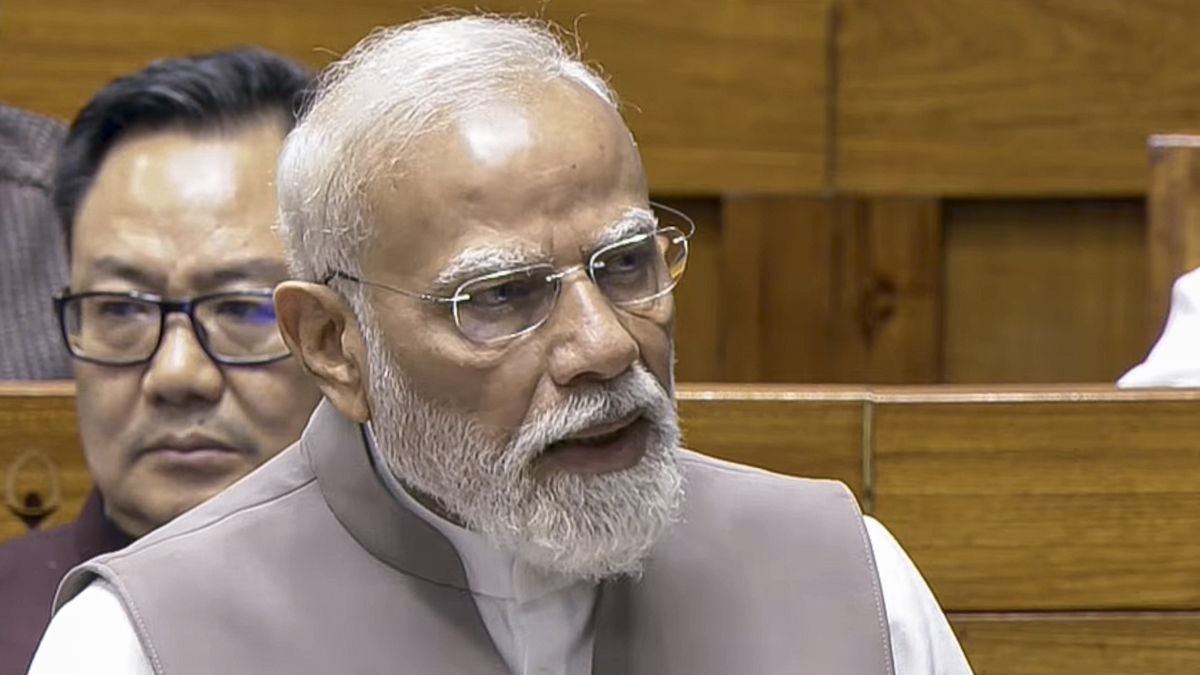
Prime Minister Narendra Modi has said that India has significantly diversified its energy sourcing, expanding its import base from 27 countries to 41 countries over the past decade to strengthen energy security amid global uncertainties.
Addressing Parliament in the backdrop of the ongoing West Asia crisis, the Prime Minister highlighted that the move has helped reduce dependence on any single region and ensured stable supplies of crude oil, gas, and other energy resources despite disruptions in key global routes.
He noted that a large share of India’s energy imports traditionally passes through the Strait of Hormuz, which has been facing challenges due to geopolitical tensions. Despite this, the government has ensured that the availability of petrol, diesel, and LPG remains largely unaffected.
Emphasising long-term preparedness, Modi stated that the diversification strategy pursued over the years is now proving crucial in managing supply risks. He added that India has also strengthened its strategic petroleum reserves, which currently exceed 53 lakh metric tonnes, with plans to expand further.
The government has simultaneously worked on enhancing refining capacity and supply chain resilience, ensuring that the country can withstand external shocks while meeting rising domestic energy demand.
The development comes at a time when global energy markets are witnessing volatility due to geopolitical tensions, reinforcing the importance of diversified sourcing and strategic reserves in maintaining energy stability.
Overall, the expansion of India’s energy import network reflects a proactive approach toward reducing vulnerability, ensuring uninterrupted supply, and strengthening long-term energy security.
