


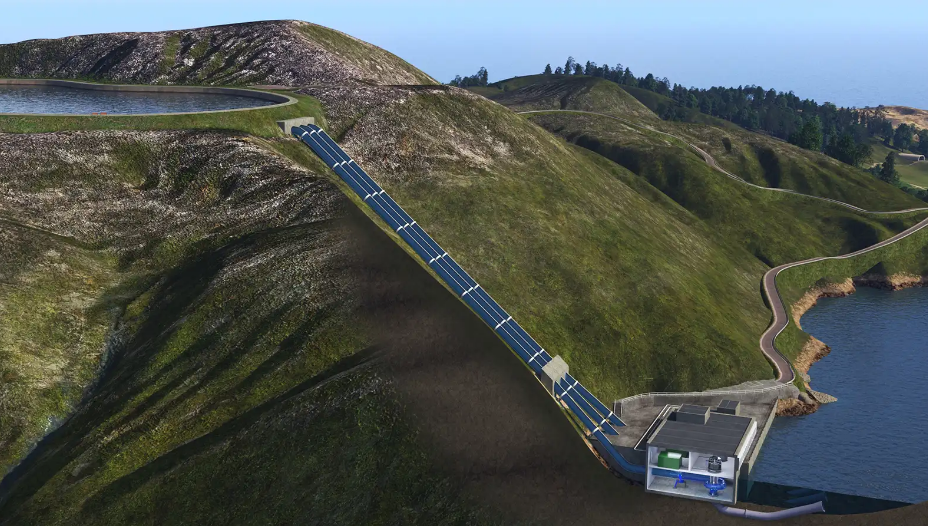
The Central Electricity Authority (CEA) has proposed significant changes to environmental and regulatory norms for pumped storage projects as part of a broader strategy to scale up India’s energy storage capacity and support renewable energy integration.
In its latest policy roadmap, the authority has recommended allowing pumped storage projects within eco-sensitive zones and up to a 10-kilometre aerial distance from protected areas where such zones are yet to be formally notified. At present, both hydropower and pumped storage projects are restricted from these regions under existing environmental safeguards.
The proposals come amid rising dependence on variable renewable energy sources such as solar and wind, which has increased the need for large-scale, long-duration energy storage to maintain grid stability and meet peak power demand. Pumped storage projects have been prioritised due to their ability to store electricity for extended periods and provide fast and flexible grid balancing.
According to official projections, India’s installed pumped storage capacity is expected to rise from about 7.1 gigawatt currently to nearly 87 gigawatt by 2033–34, with total capacity crossing 100 gigawatt by 2035–36. The roadmap outlines a structured pathway to achieve this expansion.
The authority noted that pumped storage projects are currently treated on par with conventional hydropower projects for environmental and forest clearances, leading to lengthy approval processes. It highlighted that many pumped storage configurations, particularly off-stream projects and those built on existing reservoirs, have a lower environmental footprint, minimal displacement of communities and limited rehabilitation requirements.
To address execution delays, the roadmap proposes creating a separate clearance category for off-stream and existing-reservoir projects, easing compensatory afforestation norms by allowing degraded forest land at twice the diverted area, and establishing a national land bank supported by GIS-based monitoring.
Additional recommendations include relaxing restrictive conditions in the Western Ghats, classifying off-stream pumped storage projects under the “White Category”, streamlining Forest Rights Act approvals through a centralised portal, and allowing construction on non-forest land in mixed-land projects.
The authority has also proposed extending Viability Gap Funding support to pumped storage projects, similar to incentives available for battery energy storage systems, to help address high upfront capital costs.
If implemented, the proposed reforms could significantly accelerate pumped storage deployment while aligning environmental regulation with India’s long-term renewable energy and grid reliability goals.
